Eyeshadow intimidates beginners more than any other step, and it shouldn't. Behind every "effortless" eye is a simple formula: a light shade all over, a medium shade in the crease, a darker shade in the outer corner, and a lot of gentle blending. Learn that once and every look is a variation of it.
How do you apply eyeshadow step by step (for beginners)?
The beginner method uses three shades: a light shade over the whole lid, a medium shade in the crease, and a darker shade in the outer corner — then blend the edges until there are no harsh lines. That's a complete, polished eye.
- Prime the lid (primer or a little concealer, set) so colour grips and lasts.
- All over: sweep the light shade across the whole lid as a base.
- Crease: press the medium shade into the crease with a fluffy brush, using windshield-wiper motions.
- Outer corner: add the darker shade to the outer third for depth.
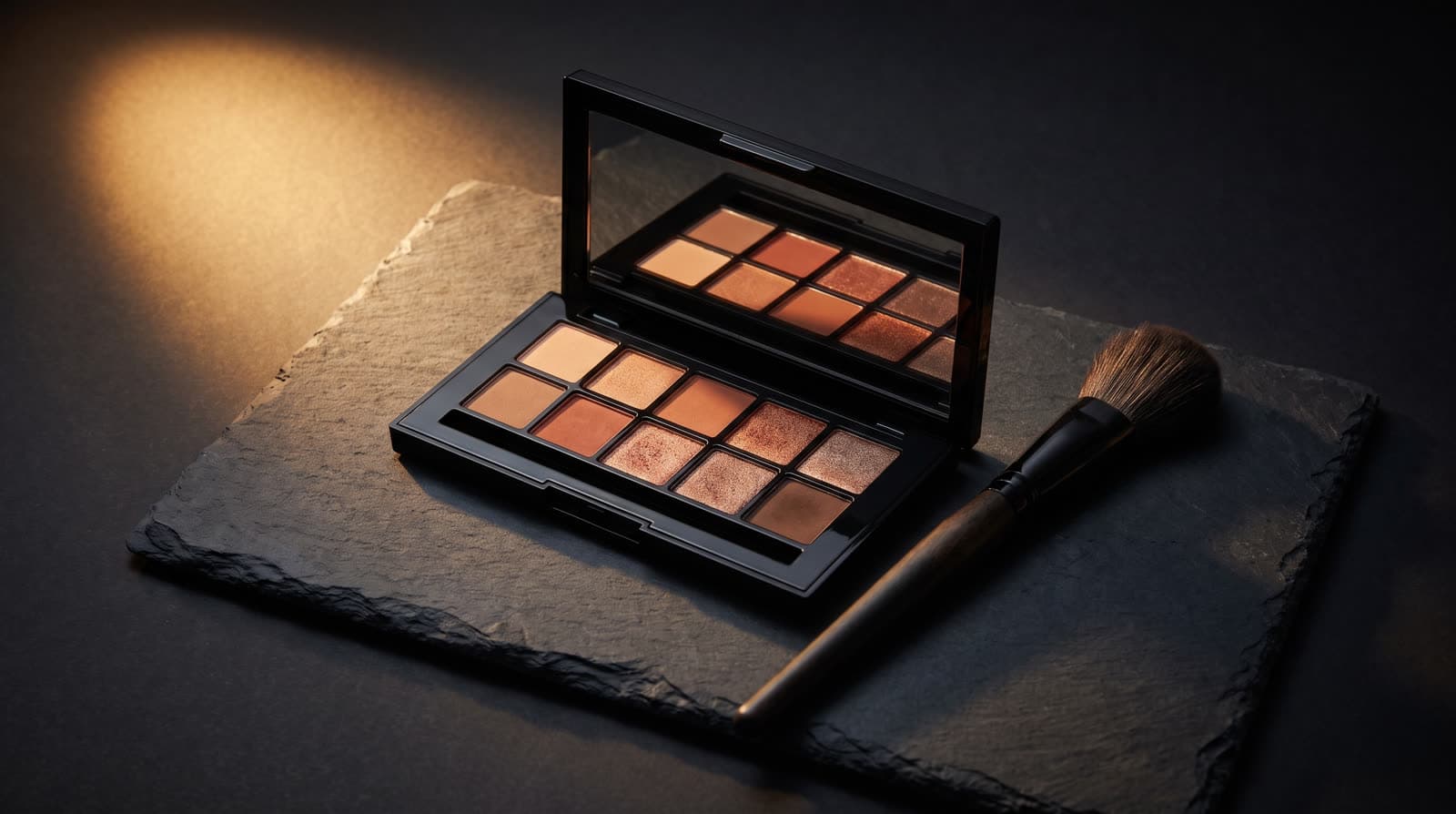
- Blend everything until it's a soft gradient. A palette like La Palette groups shades that already work together, so you can't go far wrong.
How do you blend eyeshadow properly?
Blend with a clean, fluffy brush using small back-and-forth (windshield-wiper) motions on the edges — the goal is to erase any hard lines between shades so they melt into each other. Blend more than you think you need to.
The single biggest difference between "beginner" and "polished" is blending time. Use a separate clean blending brush, keep a light touch, and buff the transitions until there's no visible edge. Less pigment blends more easily, so build gradually.
Do you need an eyeshadow primer?
Primer isn't essential, but it makes eyeshadow last longer, appear more vivid, and stops creasing and fallout — a dedicated eye primer or a little concealer set with powder works. On oily lids especially, it's the difference between all-day wear and a creased lid by noon.
If you skip primer and your shadow creases or fades, that's your answer. A thin, set base (La Base or concealer + powder) gives the colour something to hold onto.
How do you stop eyeshadow creasing?
Prevent creasing by priming and setting the lid first, applying thin layers, and avoiding heavy cream or oily products underneath. Creasing happens when shadow sits on a bare, oily, or over-moisturized lid.
Set any concealer or primer with a touch of powder before colour, and build shadow in light layers. A well-prepped lid is 90% of crease-proof eyeshadow.
How do you stop eyeshadow fallout?
Reduce fallout by tapping excess product off the brush before applying, doing your eyes before your foundation (or holding a tissue under the eye), and pressing (not sweeping) darker shades onto the lid. Pressing deposits colour with less scatter than sweeping.
Fallout is mostly excess powder. Tap the brush, press dark shades in, and clean up any specks with a bit of concealer afterward. Doing eyes first means you can wipe fallout away before foundation.
FAQ
What are the basic steps to apply eyeshadow? Prime the lid, sweep a light shade all over, press a medium shade into the crease, deepen the outer corner with a darker shade, then blend the edges smooth. Three shades and blending is the whole method.
How do I make eyeshadow look blended, not patchy? Use a clean fluffy blending brush with small back-and-forth motions on the edges, build colour in thin layers, and prime the lid first. Patchiness usually means too much product at once or a dry, un-primed base.
Do beginners need a full palette? No — three shades (light, medium, dark) in the same family are enough for most looks. A curated palette simply groups shades that already work together, which makes it easier.
Should I do eyeshadow before or after foundation? Doing eyes first lets you clean up fallout without ruining your base — then apply foundation and concealer. If you prefer foundation first, hold a tissue under the eye to catch fallout.
How do I make eyeshadow last all day? Prime and set the lid, use pressing motions for pigment, and consider a cream base under powder shadow. A primed, set lid is the key to all-day, crease-free wear.
Divina's curated eyeshadow palette of shades that work together: La Palette →. Line with Le Trait.
<!-- SCHEMA: Article + FAQPage. See PUBLISHING-GUIDE.md -->
References
- Divina — Le Maquillage application notes
You don't need ten shades and a steady hand. You need three shades and patience with the blending brush — the rest is just repetition.